Why Piece Activity in Chess Matters More Than Material

The first lessons in chess usually revolve around numbers.
A queen is worth nine points. A rook is worth five. Bishops and knights are valued at three, pawns at one. Those values become the language through which beginners learn to judge a position.
It makes perfect sense.
Material is visible, easy to count, and simple to compare.
But somewhere along the path of improvement, that system begins to show its limits.
Understanding piece activity in chess is one of the biggest steps toward becoming a stronger player. Active pieces create threats, control key squares, and often outweigh small material advantages.
You watch a player sacrifice a pawn and suddenly seize complete control of the board. You see someone with less material launch an attack that cannot be stopped. You reach an endgame where the extra exchange matters surprisingly little because one side's pieces are trapped while the other's move freely.
At that moment, a deeper principle starts to reveal itself.
Material tells you what you have.
Activity determines what you can actually do with it.
And in practical chess, possibilities often matter more than possessions.
Piece Activity in Chess: Material Measures Quantity, Activity Measures Influence
Counting material provides a snapshot.
Evaluating activity explains the story behind it.
Two players may own exactly the same pieces, yet one side controls open files, dominates key squares, restricts the opponent's movement, and creates threats with every move. On paper the position looks balanced.
On the board, it feels anything but equal.
A rook buried behind locked pawns contributes almost nothing. A knight anchored on an advanced outpost may dictate the entire game. Even a bishop can become either a masterpiece or a spectator depending on whether its diagonals remain open.
The value of every piece is constantly changing.
Not because the official point values change.
Because their influence does.
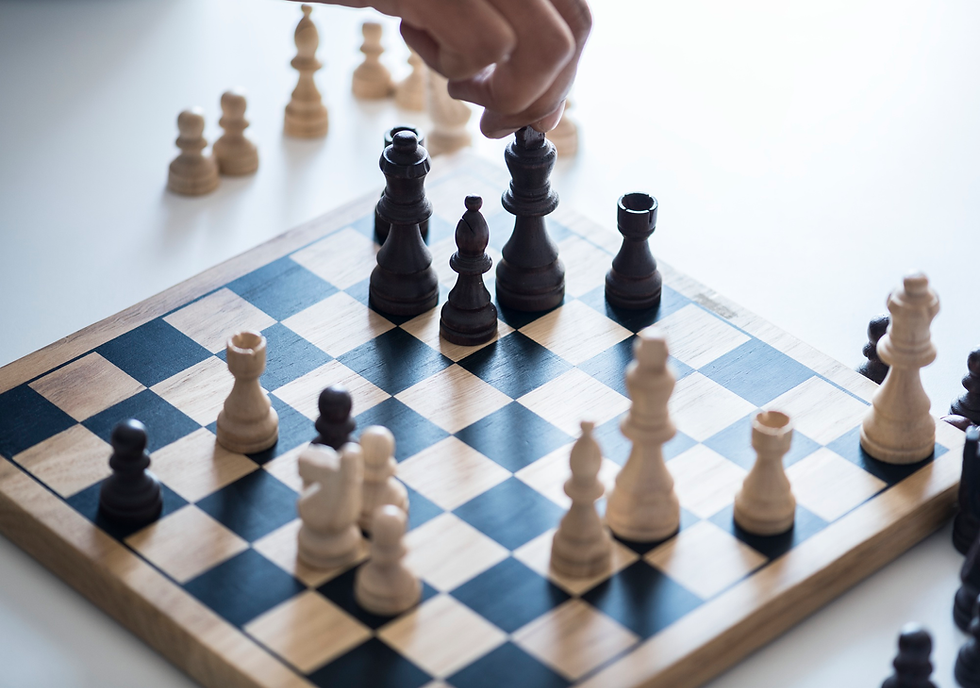
The Most Dangerous Piece Is Often the Most Active One
Players frequently worry about which side owns more material.
Stronger players often ask a different question.
Which piece is doing the most work?
One active knight can paralyze an entire queenside.
A rook occupying the seventh rank may attack pawns, cut off the king, and restrict defensive coordination simultaneously.
A queen placed aggressively can force weaknesses without capturing a single piece.
Meanwhile, expensive pieces sitting passively behind their own army become little more than expensive decorations.
Owning powerful pieces is never enough.
They have to participate.
Why Material Advantages Sometimes Feel Worthless
Everyone has experienced a frustrating position where they were technically ahead.
An extra pawn.
Perhaps even an extra exchange.
Yet every move felt uncomfortable.
The opponent dictated the pace, controlled the initiative, and generated threat after threat until the material advantage slowly disappeared.
This happens because practical chess is played move by move, not point by point.
An inactive advantage is difficult to convert, and an active position continuously creates opportunities.
That is why experienced players rarely celebrate winning material until they know their pieces can support it.
Keeping an advantage often depends more on coordination than on counting.
This idea naturally complements How to Convert a Winning Position Step by Step, where preserving activity often matters more than collecting additional material.
Initiative Changes the Value of Everything
Initiative is difficult to measure.
Its effects, however, are impossible to ignore.
When every move forces your opponent to respond, you control the rhythm of the game. Defensive resources become limited, plans are interrupted, and small inaccuracies begin to accumulate.
During these moments, material often becomes secondary.
Players willingly invest a pawn to open files.
They sacrifice the exchange to expose a king, or return material to keep their pieces active.
These decisions may appear surprising to those focused exclusively on points.
To strong players, they are simply investments.
Temporary losses are acceptable when they purchase long-term activity.
Every Piece Should Solve a Problem
Development alone is not enough.
A developed piece without purpose contributes very little.
Each piece should improve your position in a meaningful way.
Perhaps a bishop pressures an important diagonal.
A knight may occupy an outpost that limits enemy mobility, while the queen coordinates several ideas at once.
The exact role changes from position to position, the principle does not.
Whenever one of your pieces lacks a clear function, your entire army becomes less efficient.
Strong positions are rarely built around brilliant individual moves.
They emerge from pieces working toward the same objective.

Activity Is the Foundation of Tactical Play
Many players think tactics appear suddenly.
In reality, combinations are usually prepared long before they become visible.
Pins become dangerous because rooks occupy active files.
Forks appear because knights have reached powerful squares.
Discovered attacks succeed because pieces are already coordinated.
Good activity quietly builds tactical potential and creates strong candidate moves.
Poor activity suppresses it.
This explains why two players with similar tactical ability often achieve very different results. One consistently reaches positions where combinations exist.
The other never gives those combinations a chance to appear.
Passive Positions Slowly Lose Their Defenses
There is a predictable pattern in many difficult games.
Space begins to disappear, pieces retreat, defensive moves multiply, counterplay fades.
None of these changes lose the game immediately.
Together, however, they create an increasingly uncomfortable reality.
Every decision becomes reactive.
Every move addresses the latest threat instead of creating one of your own.
Eventually, the position becomes so passive that even accurate defense feels impossible.
Remaining active while defending is one of the hardest skills in chess.
It is also one of the most valuable.
Sometimes the Best Material Decision Is Giving Material Away
This idea feels uncomfortable at first.
After all, chess teaches us to win pieces, not give them away.
Yet many outstanding games begin with exactly that choice.
A pawn is sacrificed to activate both bishops.
An exchange is invested to establish permanent pressure.
Material is returned to eliminate passivity and regain the initiative.
Viewed through the lens of point values, these decisions seem questionable.
Viewed through the lens of activity, they often become completely logical.
The goal is not to own the most material, is to create the strongest position.
Sometimes those objectives point in different directions.
Coordination Multiplies Strength
Activity is rarely an individual achievement.
Its true power appears when pieces cooperate.
Two rooks connected on open files exert far greater influence than either rook acting alone.
A bishop supporting an advanced knight creates pressure that neither piece could generate independently.
Even the king becomes an active participant in many endgames, helping pawns advance while supporting the rest of the army.
Coordination transforms separate pieces into a unified force.
This is one reason equal material positions can feel dramatically unequal in practice.
The armies may look identical, teamwork is not.
Improve Your Worst Piece Before Searching for Brilliance
Many players hunt constantly for tactical opportunities.
Positional masters often begin somewhere much simpler.
They ask one question.
Which piece is doing the least?
Once identified, that piece becomes the priority.
Maybe a bishop needs a stronger diagonal.
A knight might require a better outpost.
Each small improvement increases the effectiveness of the entire position.
Over time, these adjustments create harmony, flexibility, and greater attacking potential without requiring spectacular ideas.
This practical philosophy was championed by José Raúl Capablanca, whose advice to improve your worst-placed piece remains one of the clearest guides to positional chess.

Study the Masters and You'll Notice the Same Pattern
Great positional players rarely rush to collect material.
Instead, they strengthen their pieces, improve coordination, and reduce the opponent's activity until winning material becomes almost inevitable.
Watching this process unfold is remarkably instructive because it reveals that many advantages are created long before they are converted.
Pay close attention to how elite players improve piece placement before searching for immediate gains.
Those quiet moves often explain the result better than the final combination.
Material and Activity Must Be Evaluated Together
Neither concept exists in isolation.
Material provides resources that may become decisive later.
Activity determines how effectively those resources function in the present.
Strong players constantly balance the two.
Before accepting a pawn, they consider whether it damages coordination.
Before sacrificing material, they evaluate whether the resulting activity is sufficient compensation.
Before simplifying, they ask which side's pieces will become more effective afterward.
Chess is rarely decided by a single factor.
The strongest decisions emerge from weighing several factors simultaneously.
Conclusion
Material is one of the easiest features of a position to measure.
Activity is considerably harder.
Yet it often carries greater practical significance.
Pieces that occupy useful squares, cooperate naturally, and create continuous pressure frequently outperform more expensive pieces trapped by their own position.
Learning to recognize that distinction transforms the way you evaluate chess.
Instead of limiting your assessment to "Who has more material?", improve your by considering activity and coordination.
"Which side's pieces have the greatest influence?"
In countless games, the answer to that question tells you far more about the position than the material count ever could.


https://tuyensinhnganhan.com/ là trang mình vừa mở ra xem thử lúc rảnh. Bố cục nhìn vào là hiểu ngay, kiểu không phải đảo mắt tìm chỗ bắt đầu đọc. Mình chỉ lướt phần giới thiệu tổng quan thôi, họ viết theo hướng nói về hệ sinh thái đa dạng với việc nâng cấp trải nghiệm người dùng, nên đọc nhanh cũng nắm được ý. Nội dung chia thành các khối ngắn, xuống dòng đều đều nên mắt đỡ mệt, chứ không phải một cục chữ dài như bài luận. Tiêu đề từng đoạn để khá nổi, kéo xuống vẫn biết mình đang ở phần nào, đỡ cảm giác bị “lạc map”. Thanh menu điều hướng đặt ở vị trí dễ thấy,…